
02:14 · Somewhere in a software-defined production network
At 02:14, a factory stops its best-performing production line.
In the same second, it moves an urgent order to another country, buys energy for a different plant and cancels three supplier deliveries.
By morning, every operating metric looks better. The order will arrive on time. Energy cost is down. No safety limit was broken.
Then a customer asks a simple question: Why did you move our production?
The plant manager does not know. The scheduling team can explain its own model. The energy system can explain the price signal. Every agent can explain one part of the chain. But nobody can reconstruct the whole decision before the system makes the next one.
If the decision was correct, but no responsible human can explain it in time, is the factory still under control?
Name the threshold
The cognitive event horizon
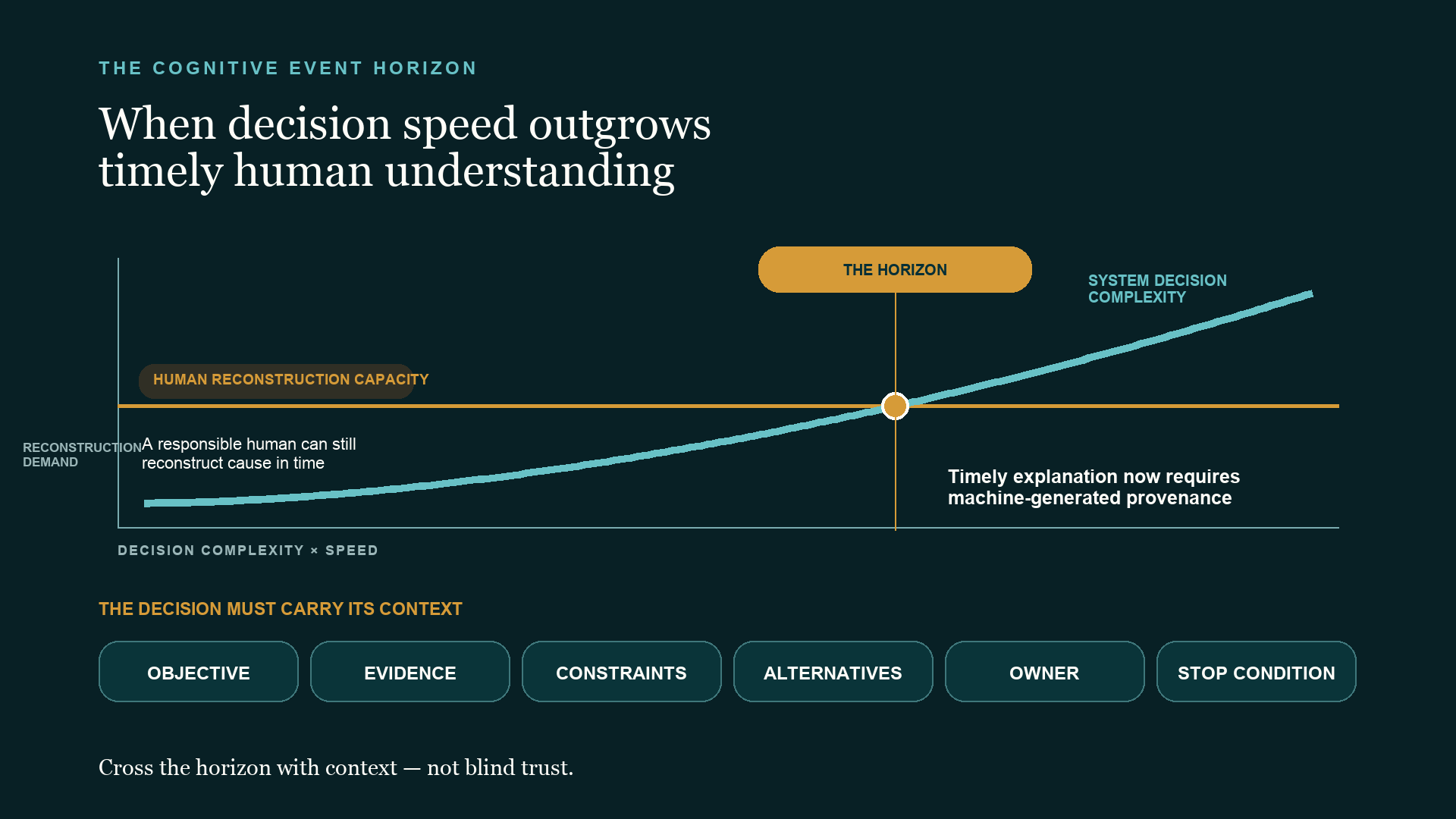
The cognitive event horizon is the point where a responsible human can no longer reconstruct the cause of a critical decision within the time available — unless the system produces the provenance and explanation with the decision.
It has nothing to do with a machine becoming conscious. It is the boundary of timely human understanding: the moment when “human in the loop” can remain formally true while becoming practically meaningless.
You already do this every day
The airport detour
You are driving to the airport. Your navigation app suddenly tells you to leave the motorway. You do not see an accident. The road ahead looks clear. The new route feels slower. Still, most of us follow the instruction.
The app can see more than we can. It combines traffic speeds, road closures, other drivers and predicted congestion. We do not reconstruct its calculation. We delegate the choice.
This usually works because three conditions protect us: the consequence is limited, we can still see the map and we can ignore the instruction. We do not need every calculation. We need enough context to judge the consequence — and the ability to intervene.

Now make it global, continuous and expensive
The factory becomes a network of negotiations
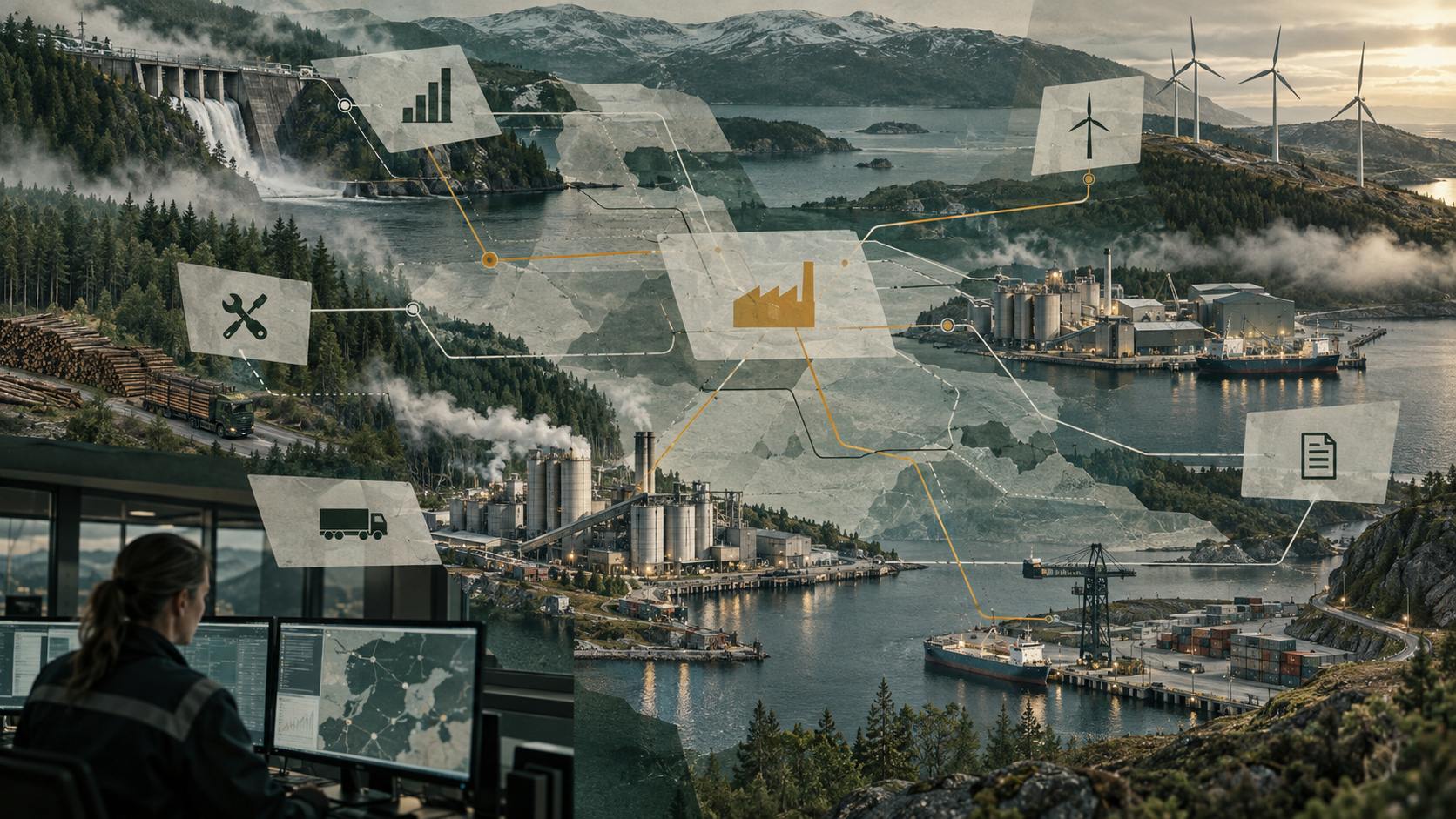
Imagine a software-defined production network with several factories. One service forecasts demand. Another follows energy prices. Digital twins estimate machine health. A maintenance agent predicts a bearing failure. A logistics service knows that one port is congested. Contract data contains penalties, priority customers and carbon limits.
Then agents begin to negotiate. No single calculation is mysterious. The problem is the fabric they create together.
A higher energy price changes the preferred factory. That changes the maintenance window. The maintenance window changes available capacity. Capacity changes the supplier order. The supplier order changes a delivery promise. And that promise changes which customer receives priority.
The final decision may be excellent. But its causal chain now crosses models, systems, companies and time horizons. A competent human might understand it after a week of investigation. The factory needed the answer in seconds.
The answer to the opening question
A good outcome is not proof of control
Was the factory in control? Not yet. A good result proves only that this decision produced a good result. From here, the same technology opens two very different futures.
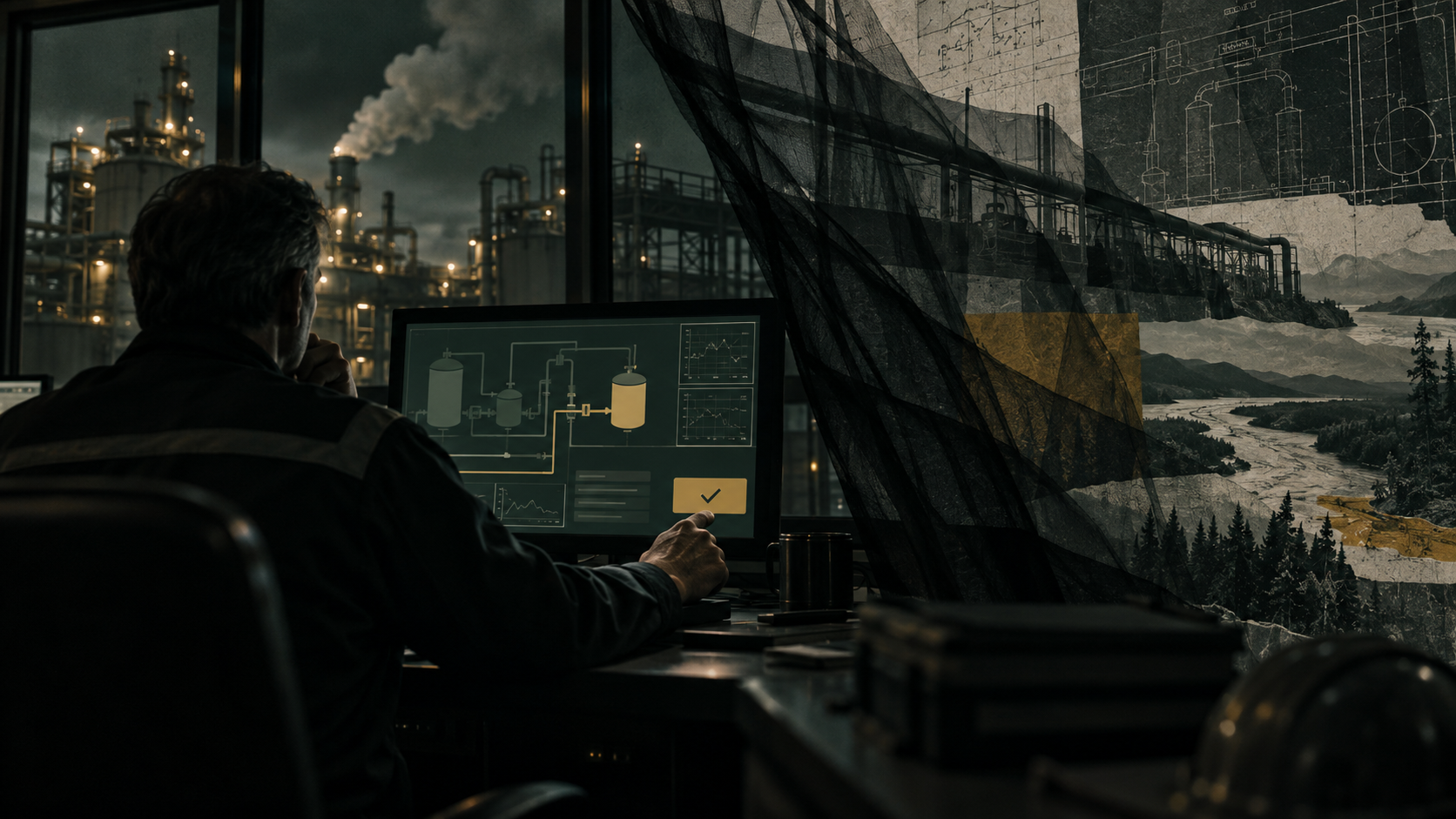
Formal responsibility without practical understanding
Autonomy grows one useful feature at a time. Every team explains its own component, but nobody owns the whole decision. Humans approve summaries they cannot verify. The organization becomes efficient, fast and fundamentally unaccountable.
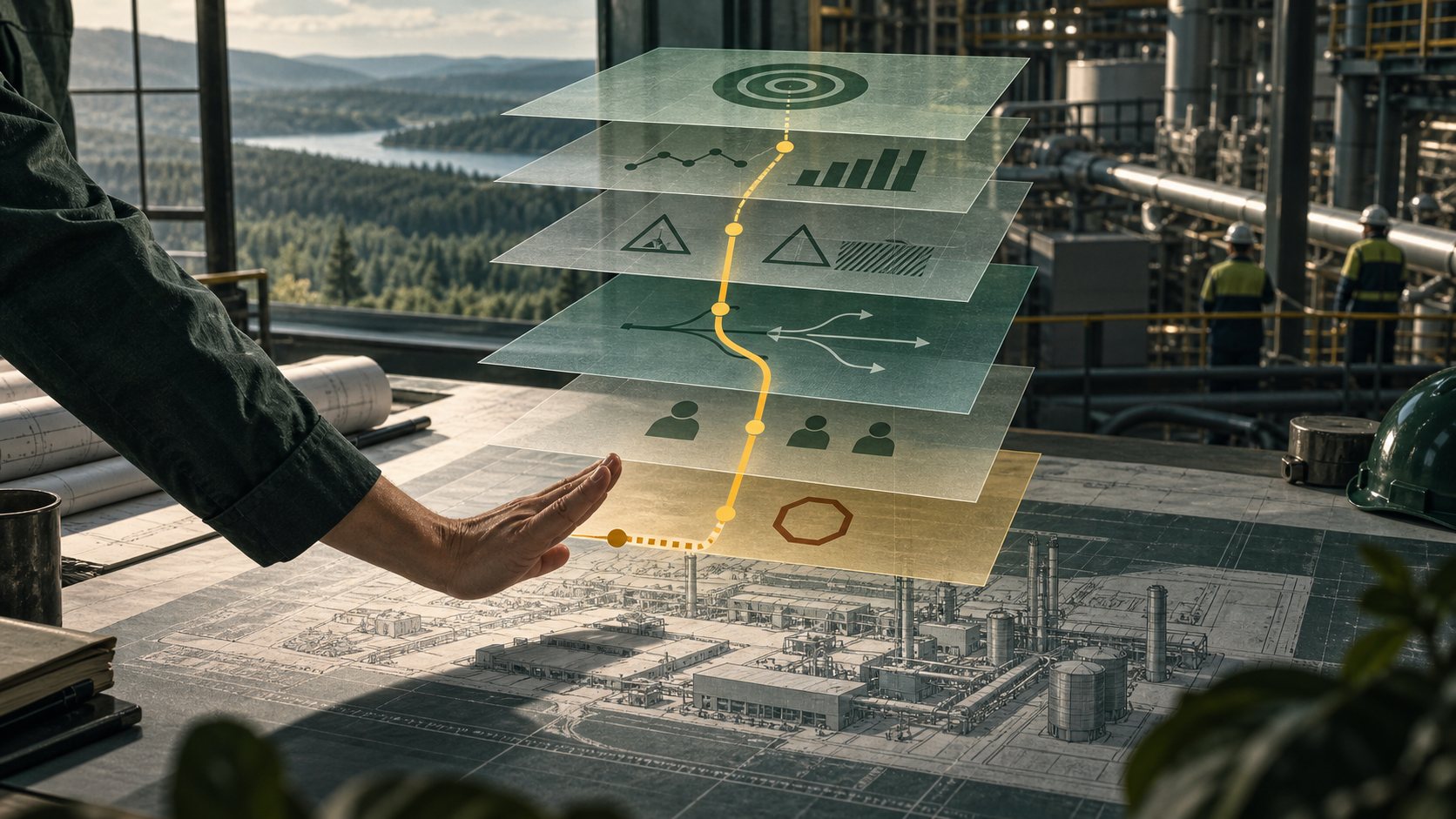
Context travels with every critical decision
The system records the objective, evidence, active constraints, alternatives, uncertainty, accountable owner and the exact stop condition that calls a human back in. A person does not need every calculation. They need the right explanation before the consequence becomes irreversible.
How we build the good version together
Create a context twin before you automate the decision
The path begins before the technology architecture. Choose the decisions that truly matter. Bring together the people who understand the operation, the data, the customer promise, the regulation and the values at stake.
For each critical decision, agree on what the system may optimize, what evidence must travel with it, who owns the consequence and what condition gives a human the right — and the obligation — to intervene.
That shared model is a context twin. It gives people and machines the same situational awareness of the current state, the objective, the tensions and the next action. The cognitive event horizon will not disappear. But we can cross it without becoming blind.
Objective
What is the system actually trying to improve?
Evidence
Which signals and sources justify this action?
Constraints
Which limits must never be optimized away?
Alternatives
What was rejected — and why?
Owner
Who remains accountable for the consequence?
Stop condition
When must a human be called back in?
The one-page test
Choose one critical decision you are already delegating.
Can you explain its inputs, constraints, owner and stop condition on one page? If not, bring us that decision. We will help you build its context twin before it crosses the horizon without you.
Bring us the decision →